Vehicle Description
- Acquired by the consignor in Michigan in 1971 and restored and developed over more than 50 years
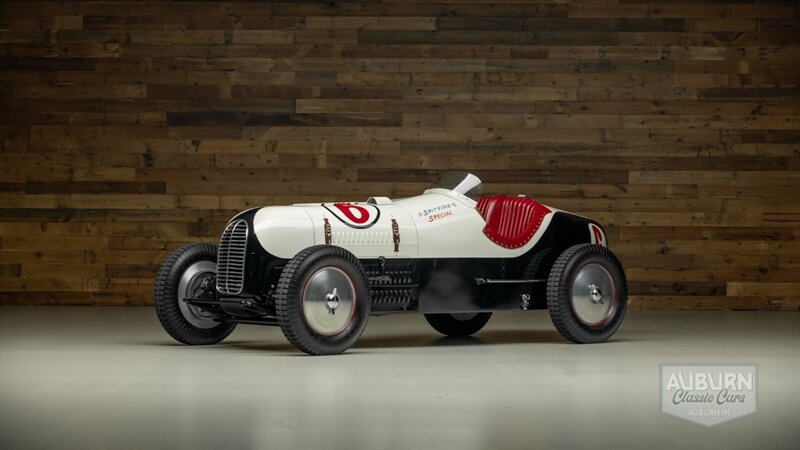
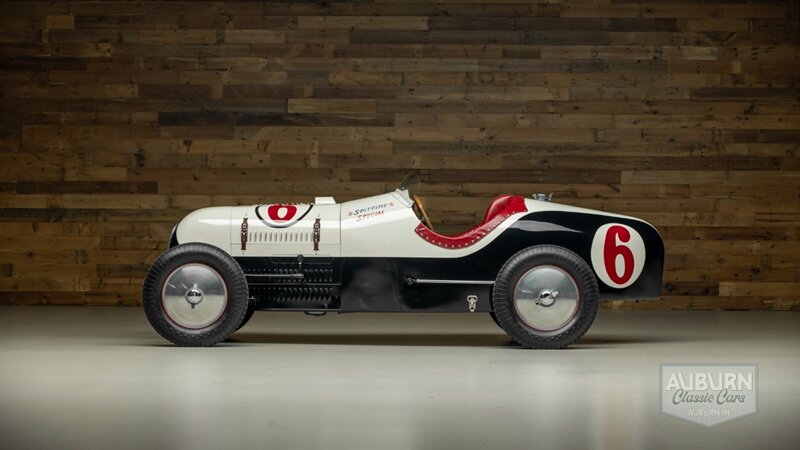
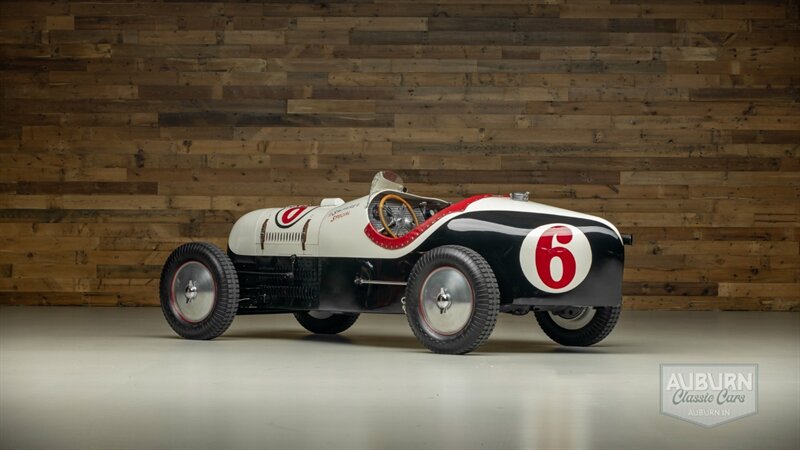
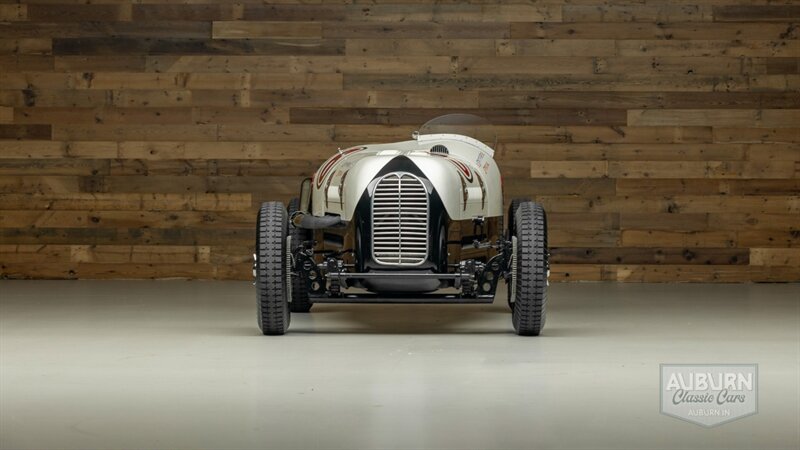
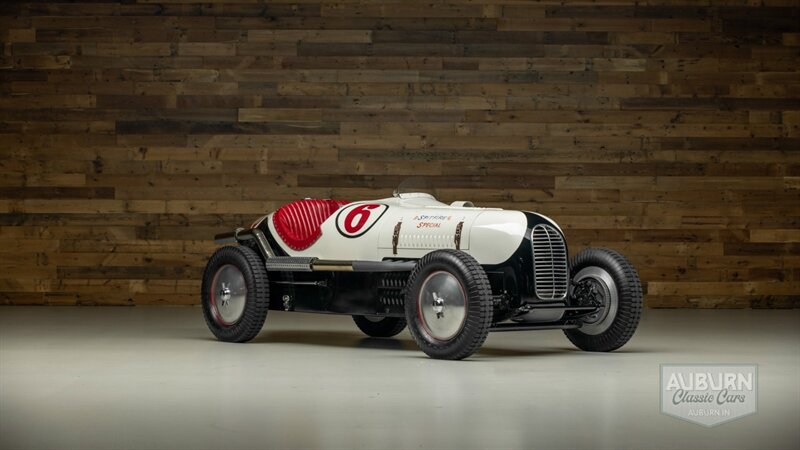
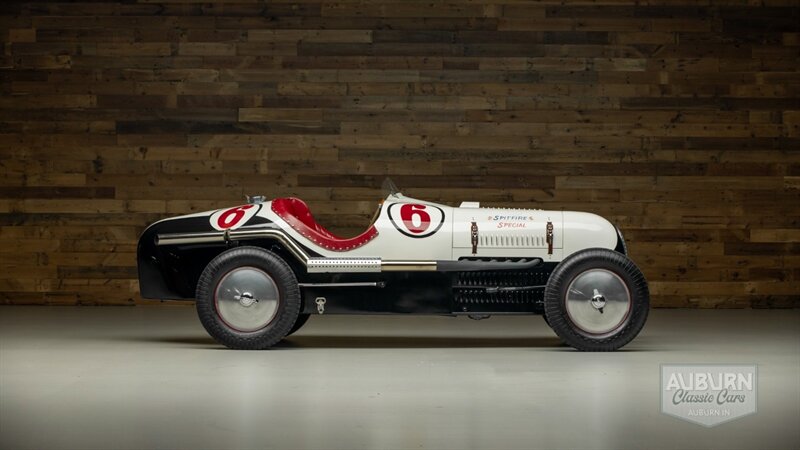
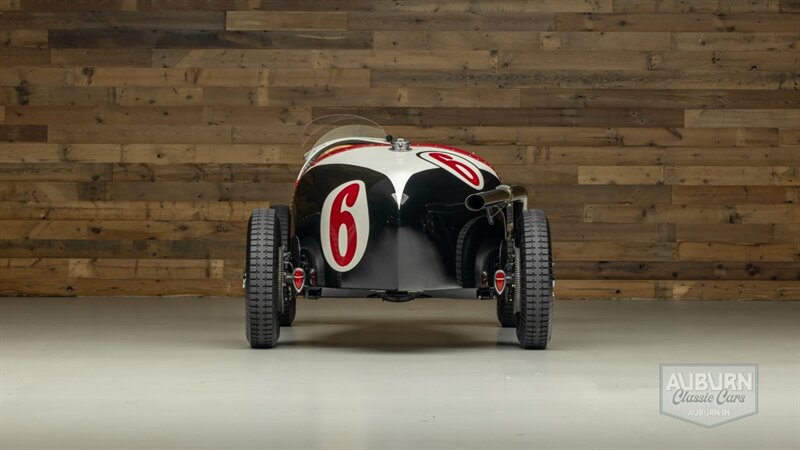
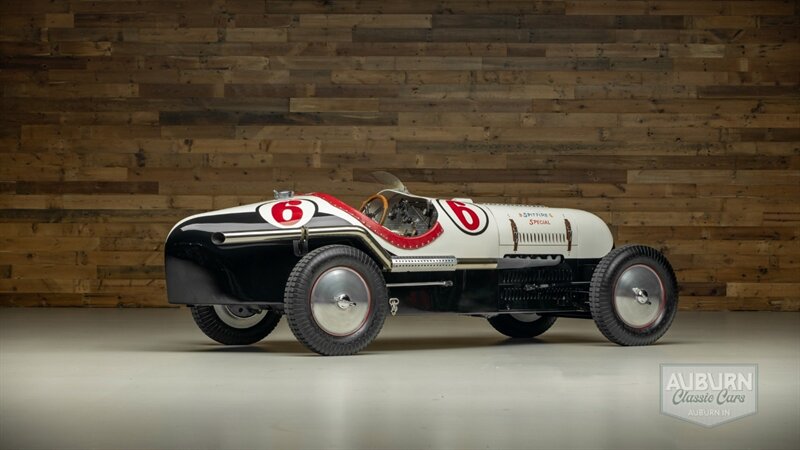
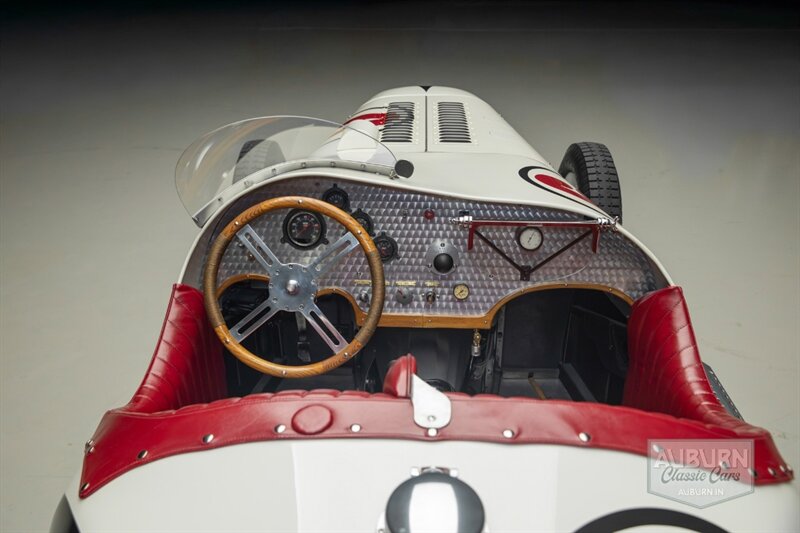
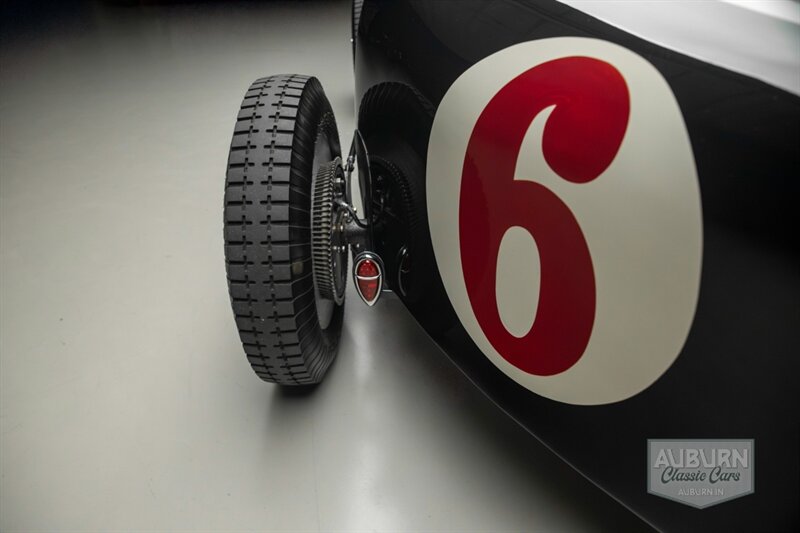
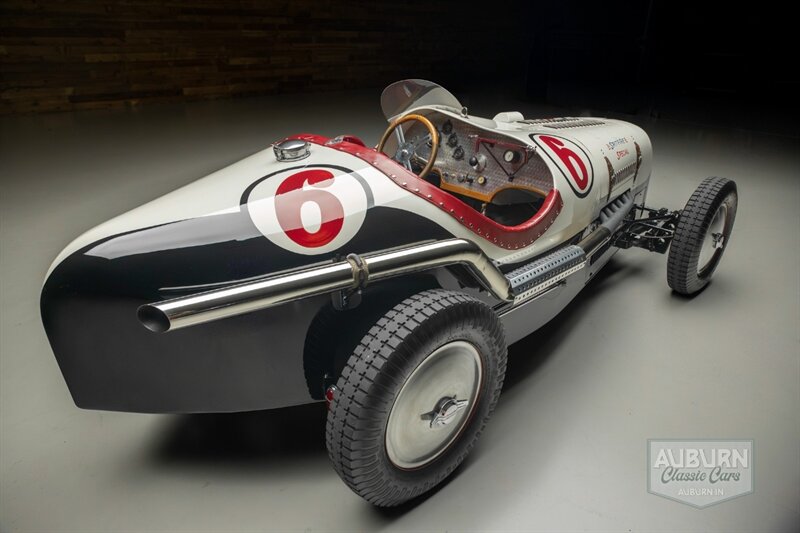
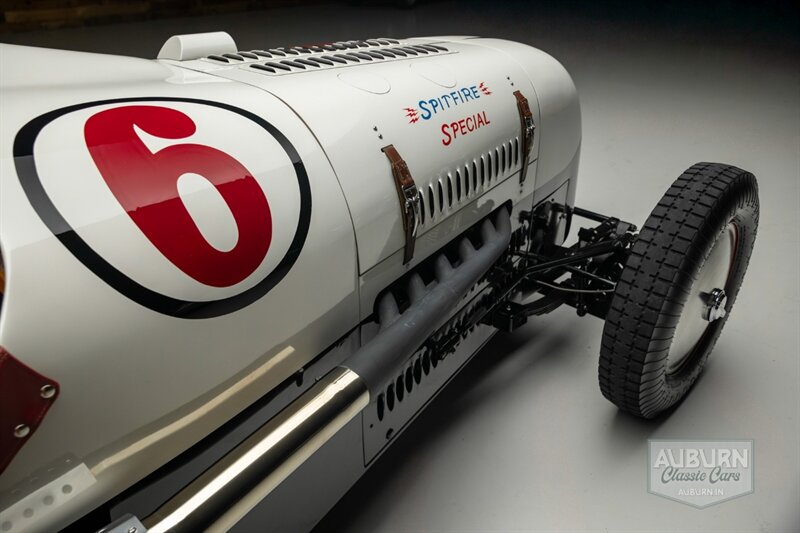
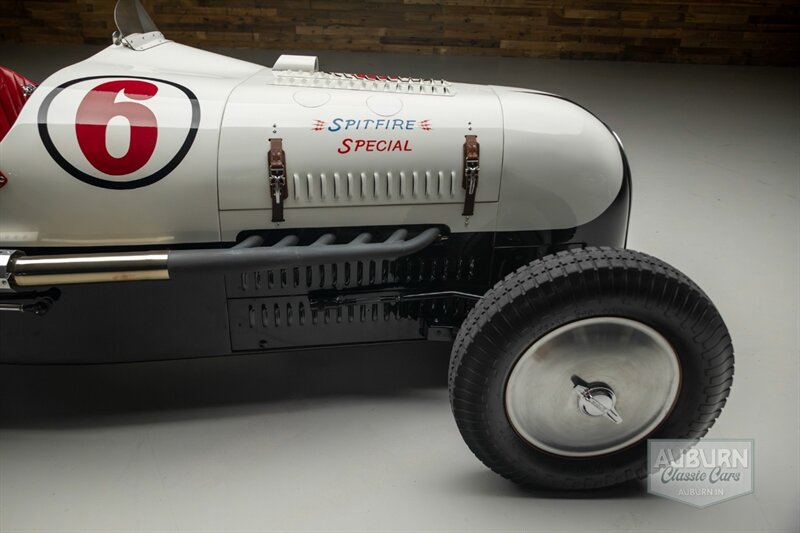
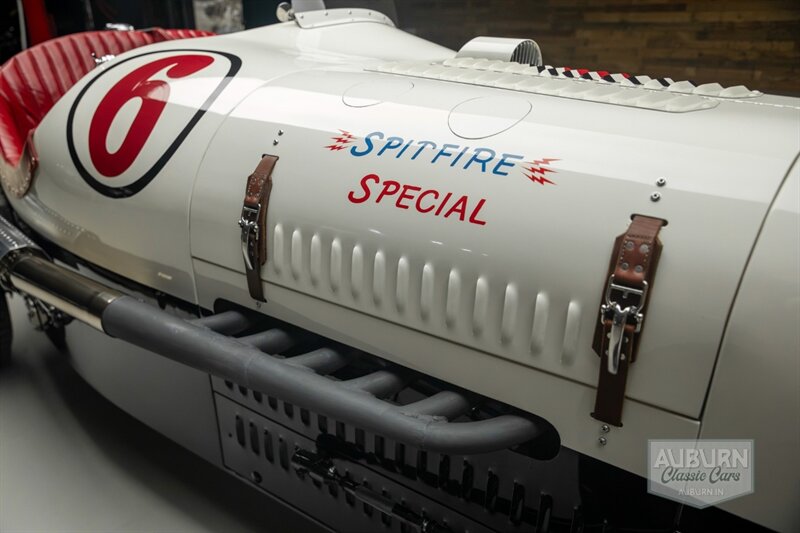
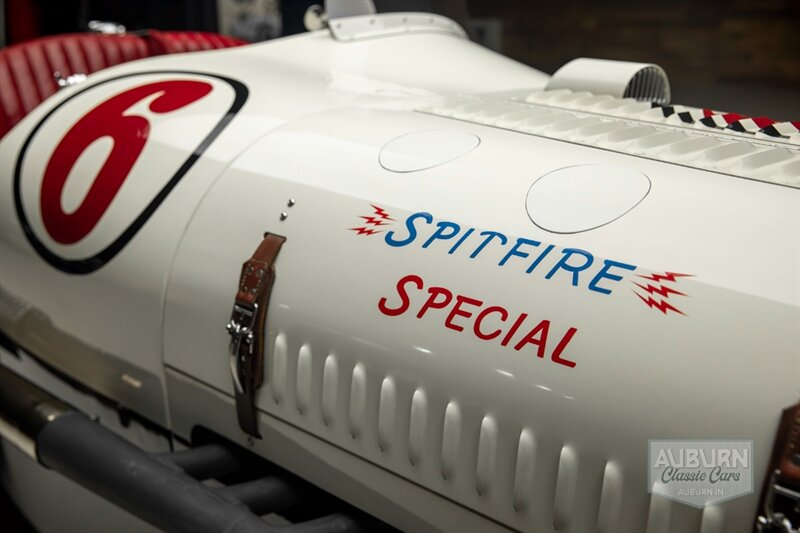
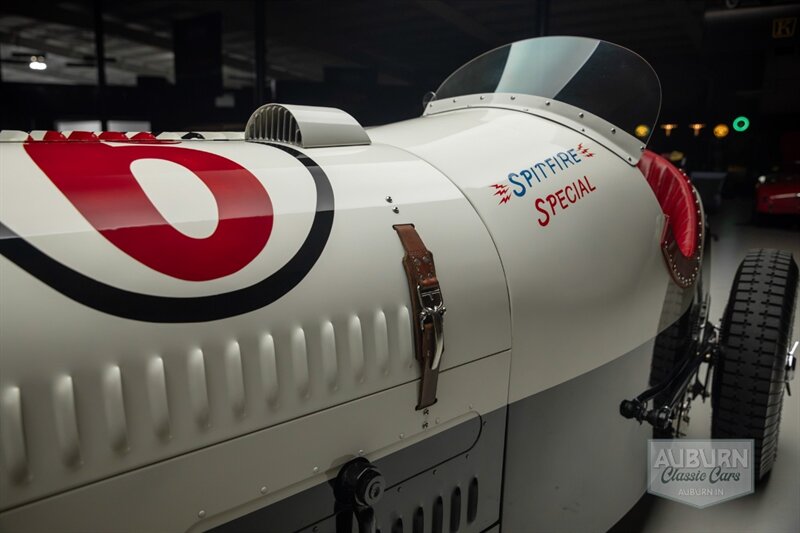
- Steel chassis with predominantly aluminum bodywork, finished in ivory and black with crimson numbers
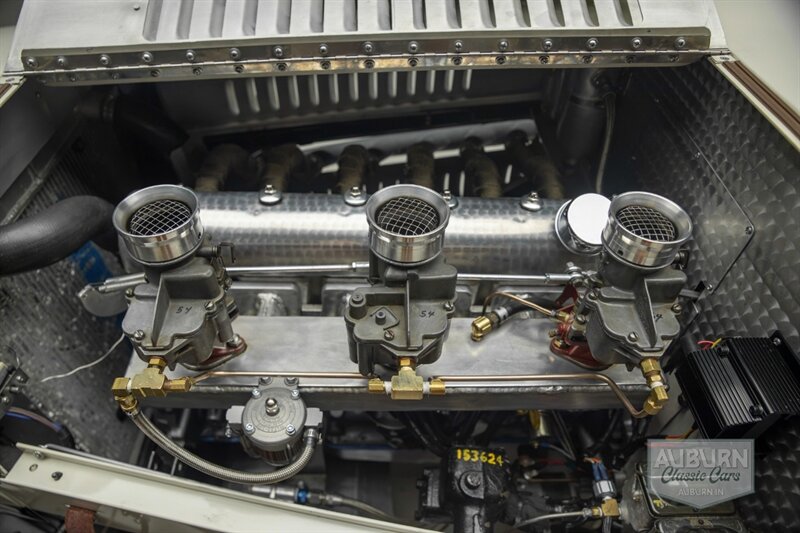
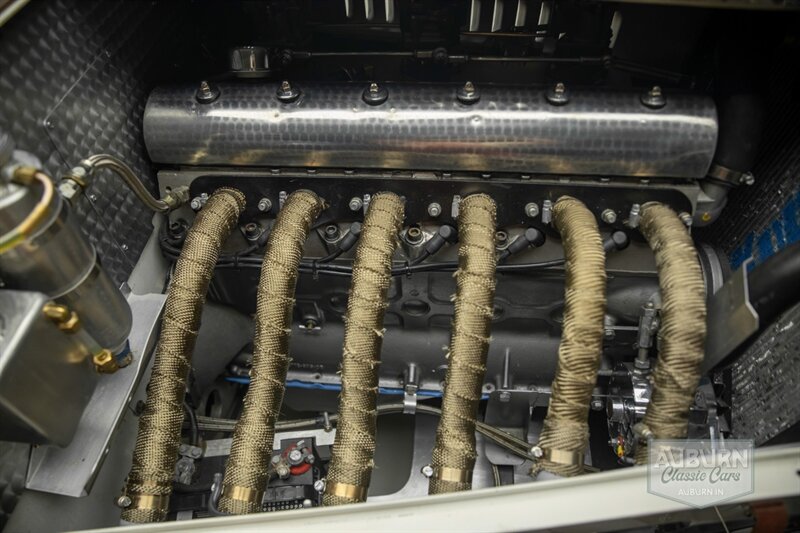
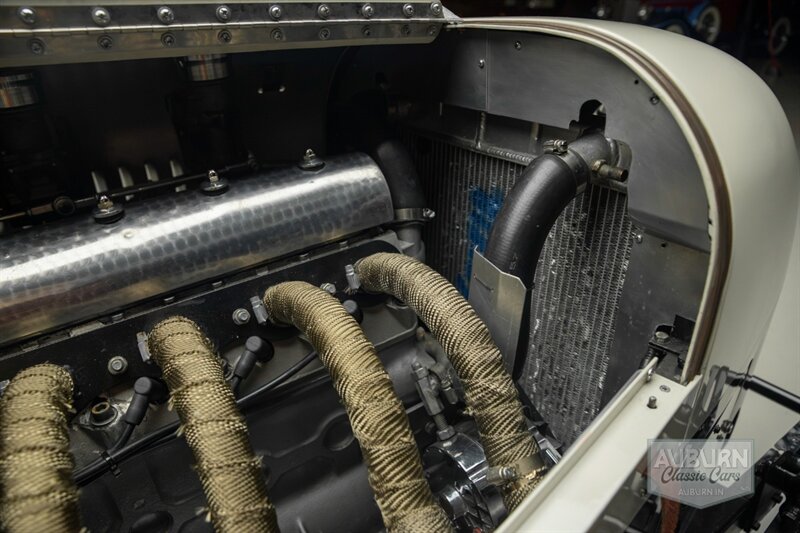
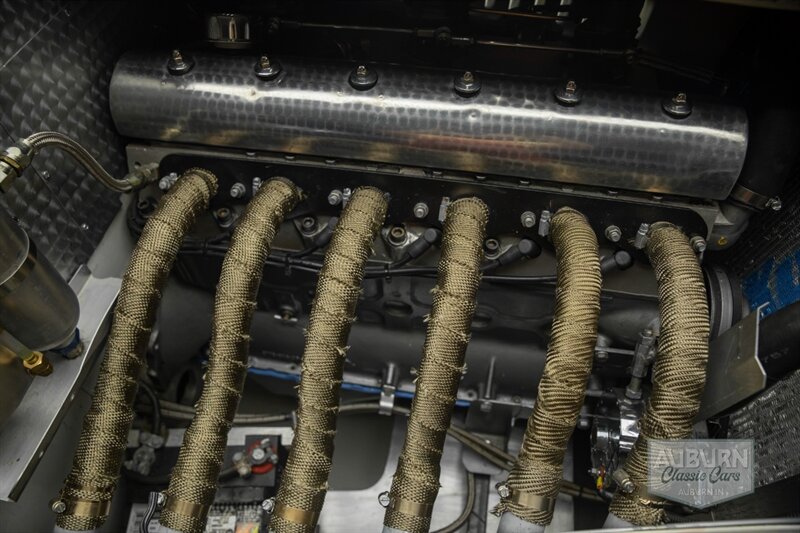
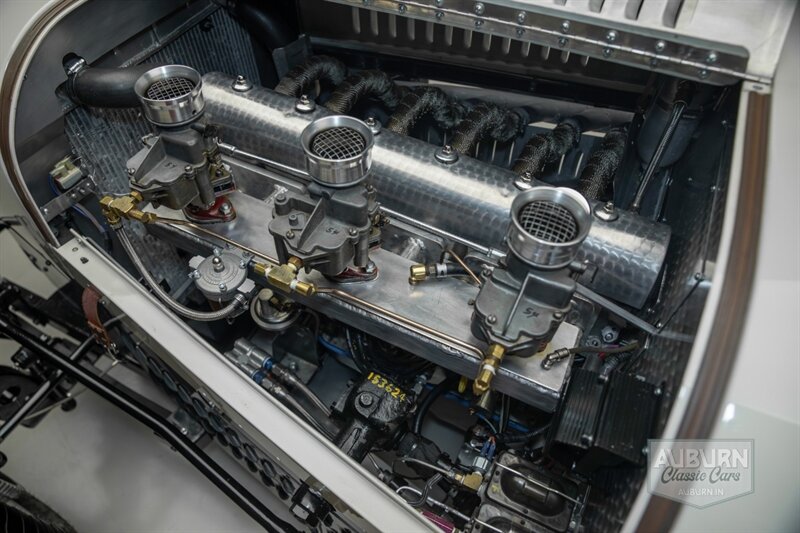
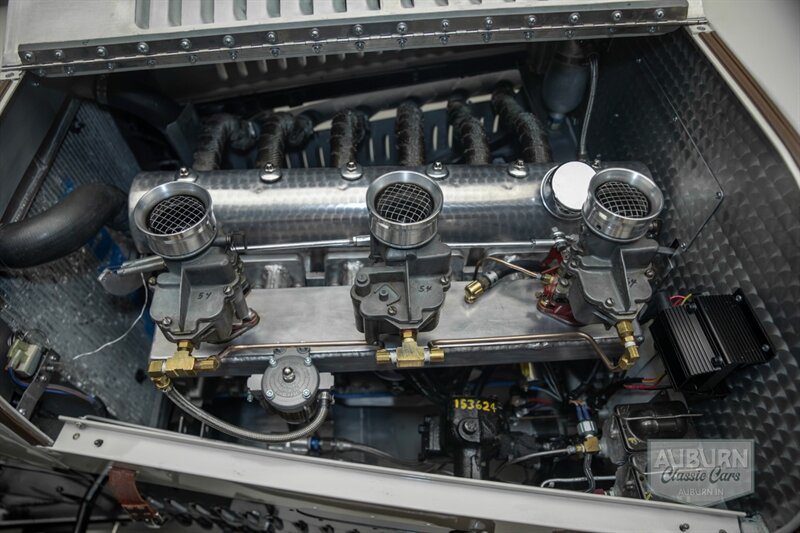
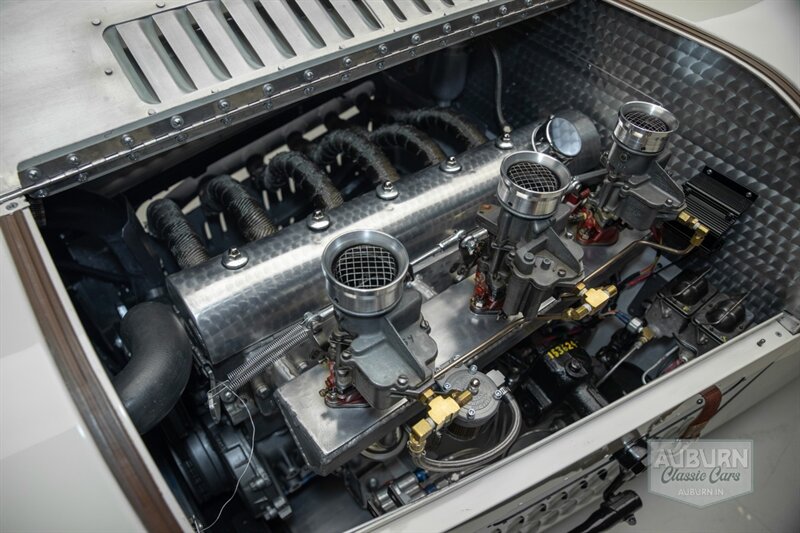
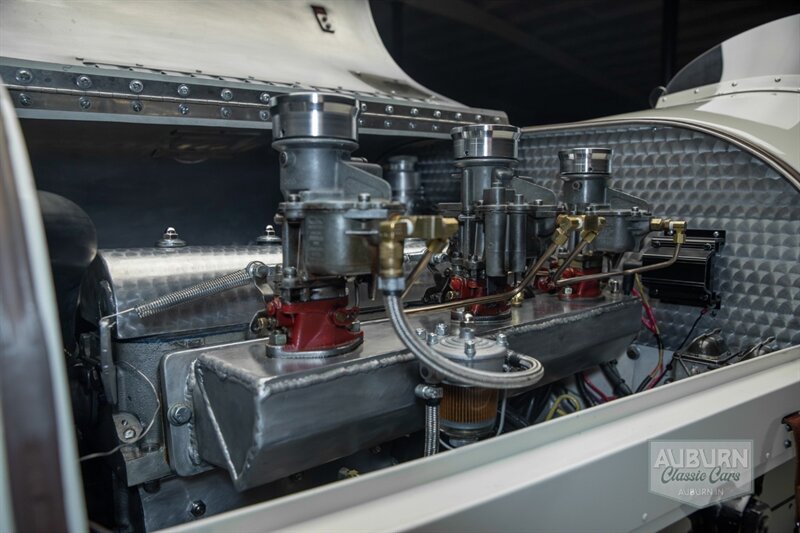
- 304-cubic-inch inline-six with a custom fabricated aluminum cylinder head, according to the consignor
- Consignor-reported output of approximately 385 horsepower and 395 lb-ft of torque
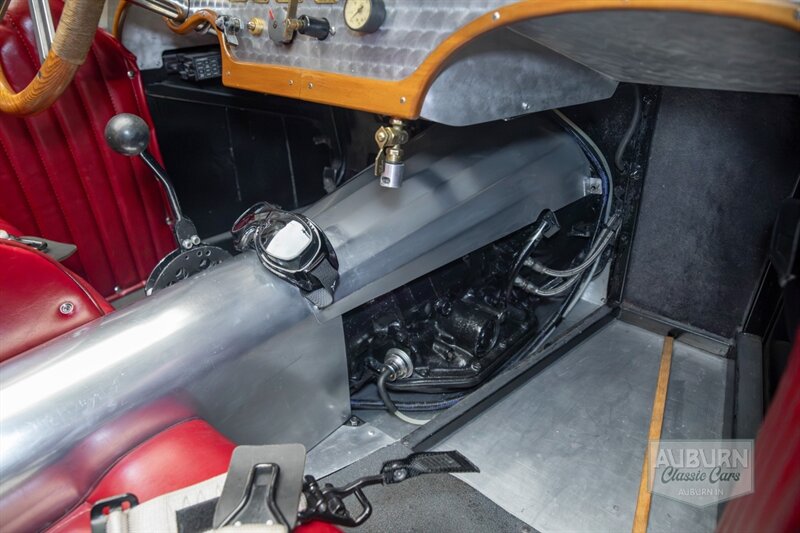
- GM three-speed transmission and GM rear axle with 3.42 gearing
- Dayton knock-off hubs, 18-inch slotted wheels, aluminum wheel covers and Excelsior tires
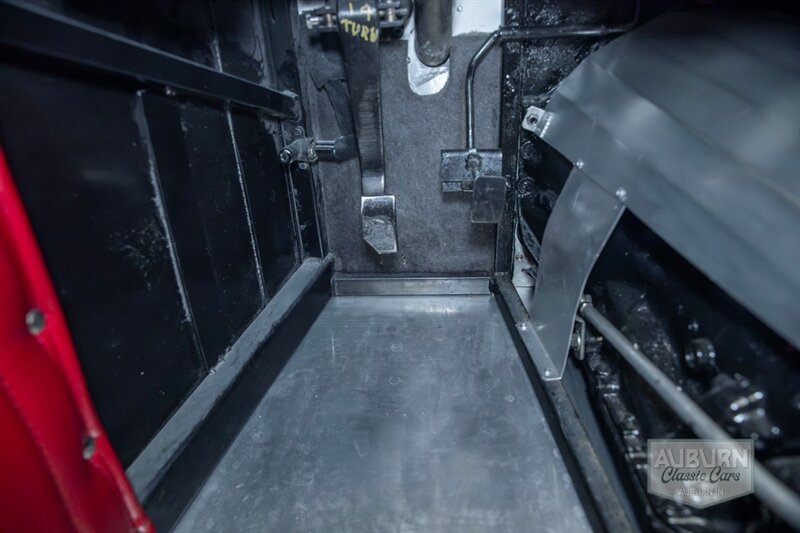
- Four-wheel finned aluminum drum brakes, dual master cylinders with adjustable brake bias and front brake power assistance
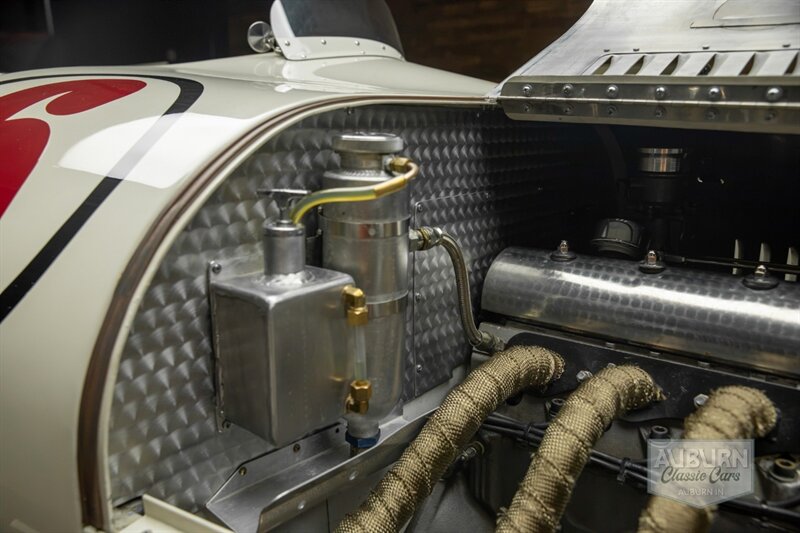
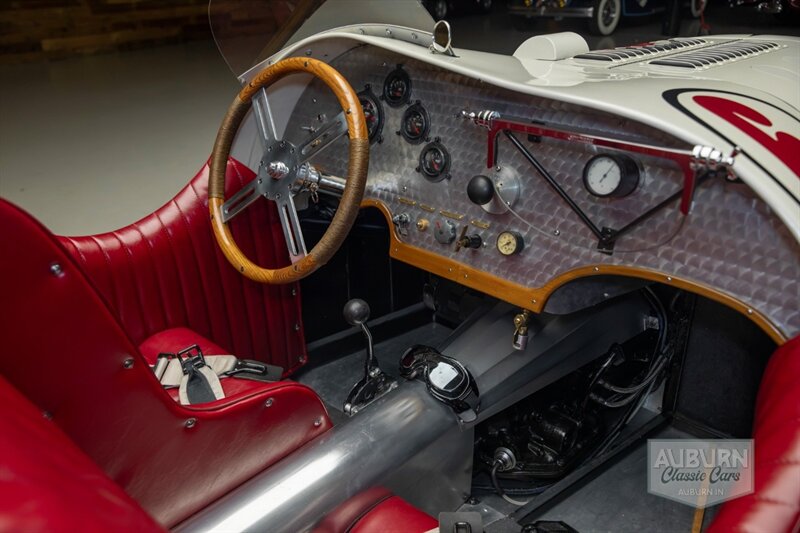
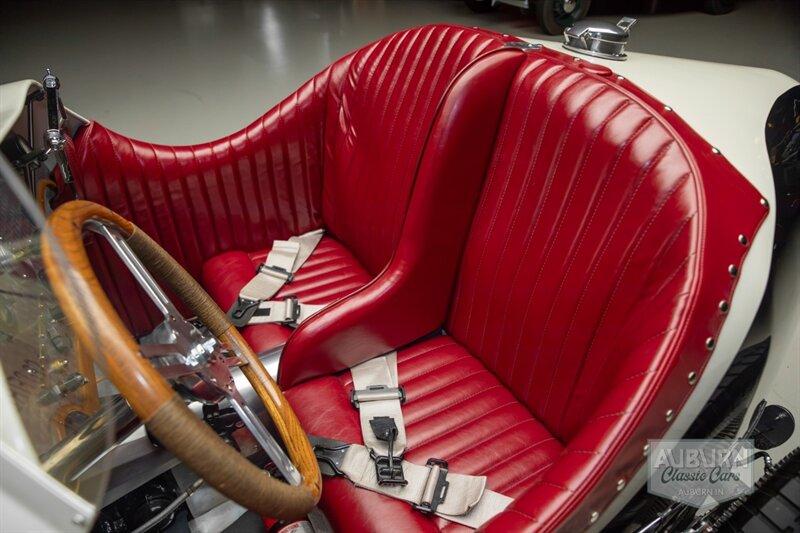
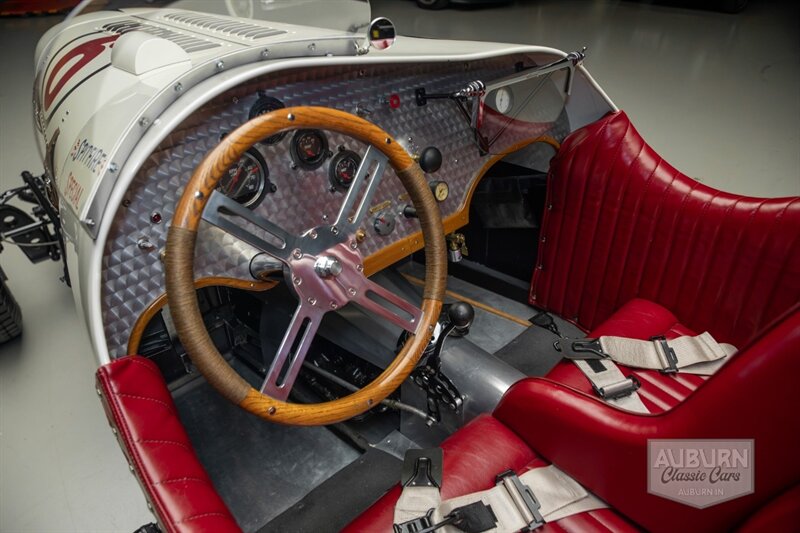
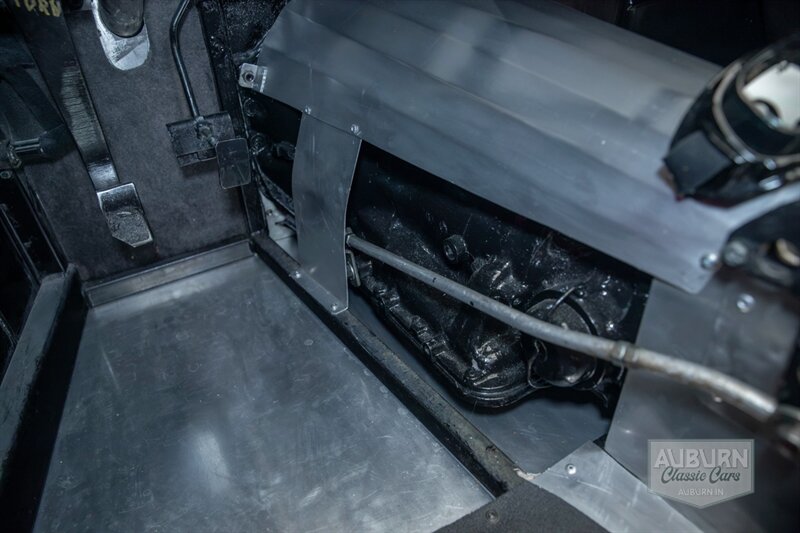
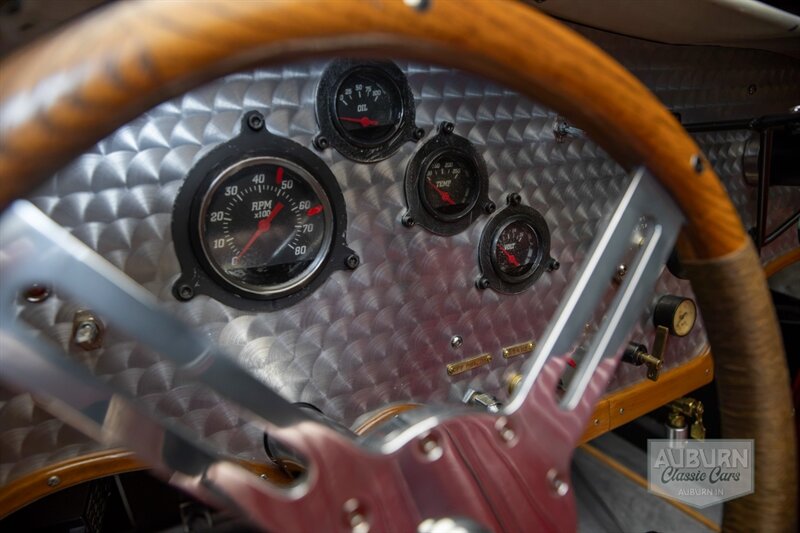
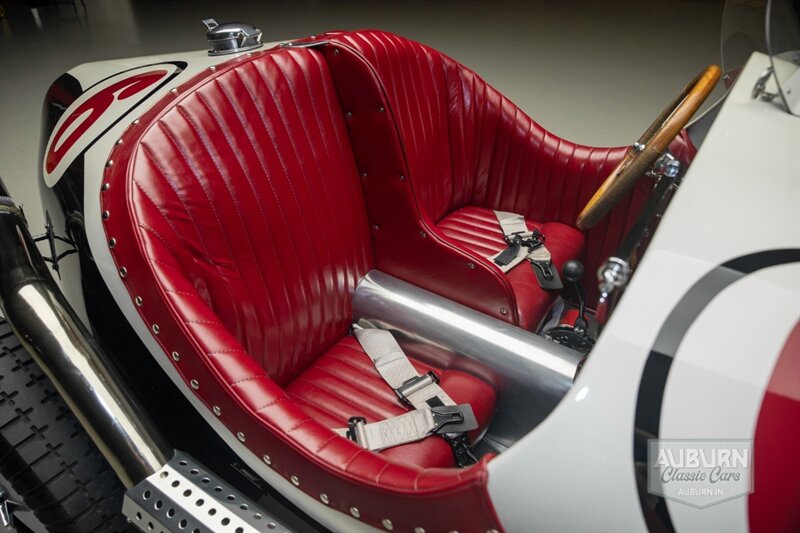
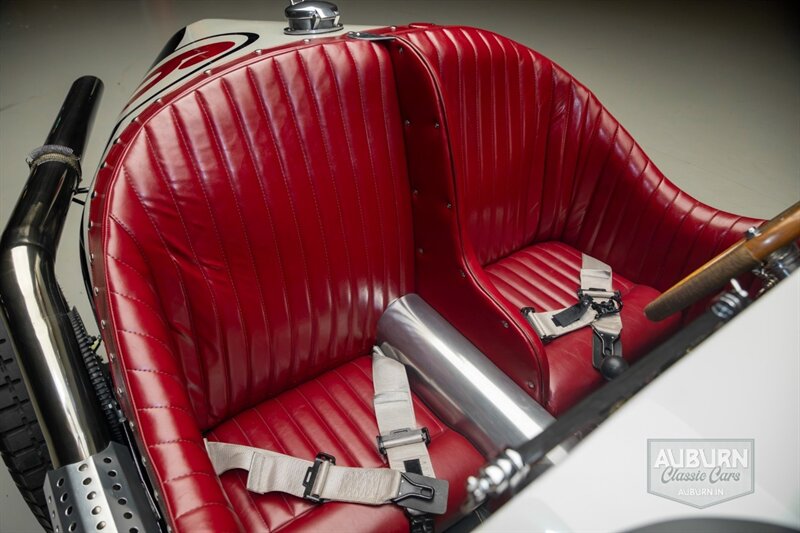
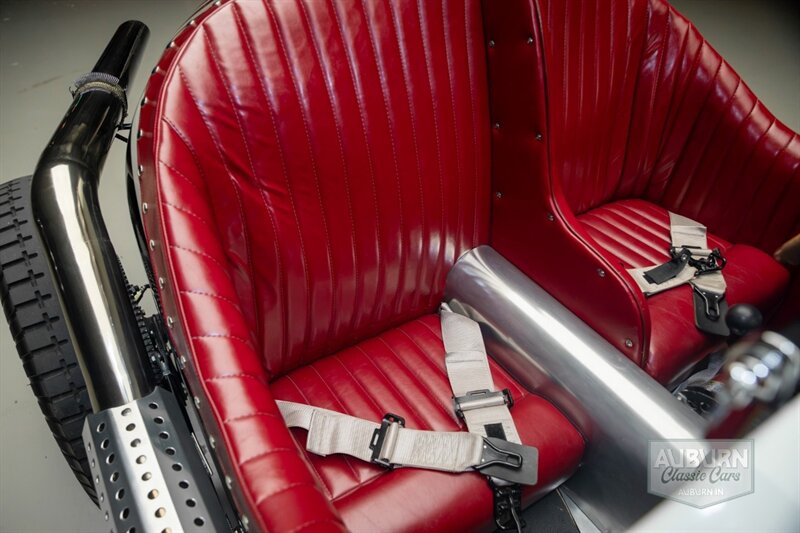
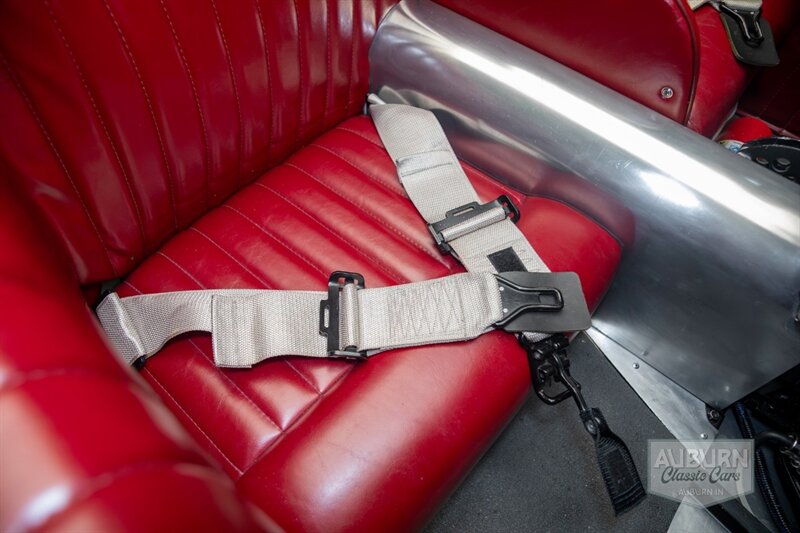
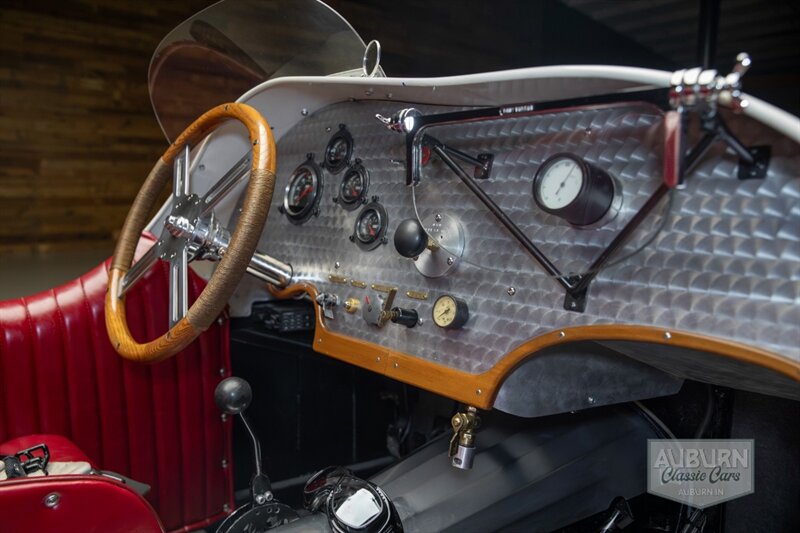
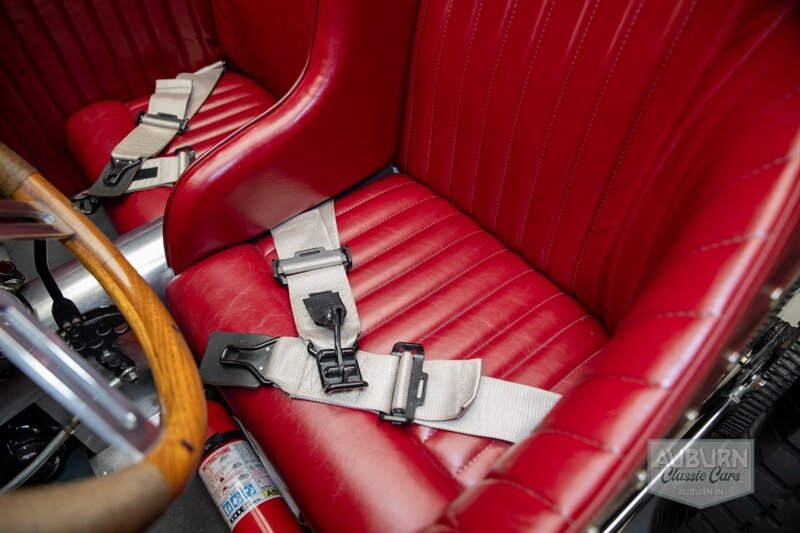
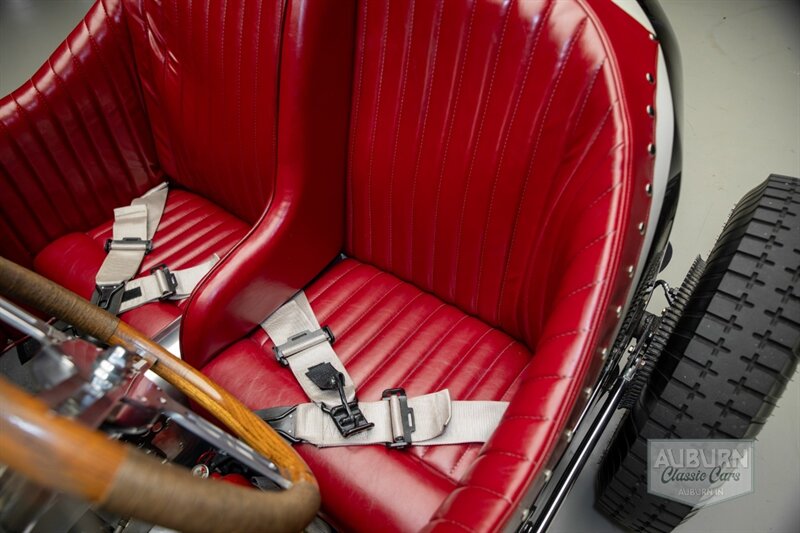
- Engine-turned aluminum dashboard, firewall and valve cover; wood-trimmed steering wheel and durable Naugahyde upholstery
- One- or two-person configuration with an aluminum passenger tonneau cover
- Removable chrome roll bar and easily installed lighting bar included, according to the consignor
- Developed for road enjoyment, with potential interest for rallies, hill climbs, vintage competition and show or display, subject to applicable requirements
With its long hood, exposed wheels and ivory-and-black finish accented by crimson numbers, the Spitfire Special captures the character of American racing in the 1930s. Acquired by the consignor in Michigan in 1971, it has benefited from decades of restoration and development intended to combine vintage appearance with usable performance. The consignor describes a car that is comfortable at cruising speeds yet delivers an impressive response when called upon.
The car’s early story comes from conversations with Dave Hemmerly, grandson of Eli Hemmerly. According to the account shared with the consignor, Eli operated a machining company that performed work for Ford and was personally acquainted with Henry Ford. Racing driver and builder Russ Snowberger was said to have worked with Eli in Detroit, with the car constructed in late 1935 for the 1936 racing season. Plans reportedly changed, and whether it was ever prepared for an Indianapolis attempt remains unknown. The same account places the car with subsequent owners in Richmond, Indiana, who raced it on dirt and paved tracks in Indiana, Ohio and Illinois before it returned to Eli’s ownership in the early 1950s.
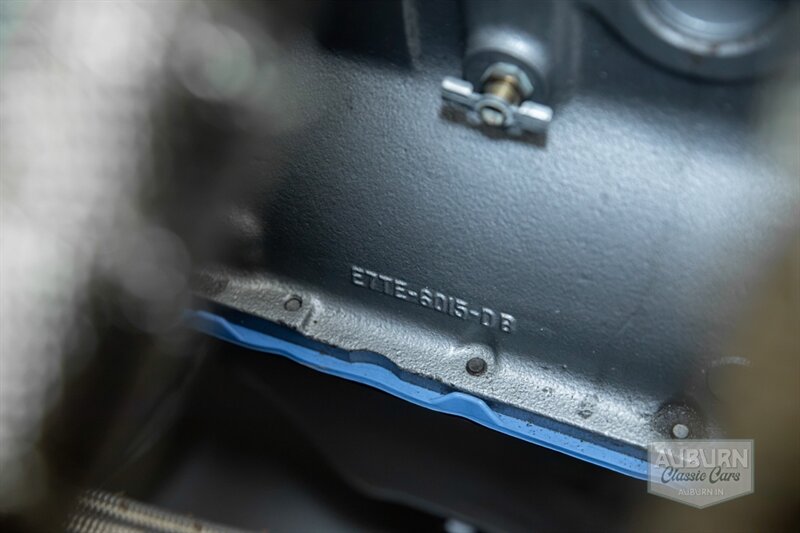
The consignor’s notes describe an initial Ford flathead racing engine supplied through Ford’s racing operation, followed by a large Chrysler Spitfire inline-six. Blanked exhaust openings in the engine side panels and two covered carburetor intake openings in the right-side hood panel remain as physical details that the consignor associates with those earlier engine installations. He recalls that the damaged Chrysler engine was still in the car when he acquired it and attributes the Spitfire Special name to that period. These features add interest to the car’s story, although they do not independently establish its construction date or racing history.
Restoration work began around 1981 and continued through several specialists over the ensuing years. Charles Davis of Vintage Performance was commissioned to develop an engine that would retain a period-inspired appearance while providing dependable road performance. The resulting 304-cubic-inch inline-six features a custom fabricated aluminum cylinder head based on GM LS design principles. The consignor reports approximately 385 horsepower and 395 lb-ft of torque, with an approximate vehicle weight of 1,865 pounds.
A GM three-speed transmission and GM rear axle with 3.42 gearing complete the drivetrain. Jonathan Gradhead of Drive Line Engineering completed the transmission and driveline work. The chassis features a straight front axle with early Ford spindles and steering components, longitudinal front leaf springs and hydraulic knee-action shock absorbers. Rear suspension uses quarter-elliptic leaf springs with adjusters.
Dayton knock-off hubs carry 18-inch slotted wheels and Excelsior tires, with smooth aluminum wheel covers included for an alternative speedway-style appearance. Braking equipment includes finned aluminum drums at all four wheels, dual master cylinders with adjustable brake bias and power assistance for the front brakes.
The cockpit combines an engine-turned aluminum dashboard with a restored wood-trimmed steering wheel and Naugahyde upholstery. The consignor notes that some gauges and switches are retained from the earlier configuration, while others have been replaced. An original-style fuel-pressure hand pump remains in the dashboard, and engine-turned aluminum also finishes the firewall and valve cover. A folding Brooklands-style passenger windscreen complements the driver’s windscreen.
Adaptability was central to the car’s development. It can be arranged for one or two occupants, with an aluminum tonneau cover closing the passenger compartment for a single-seat presentation. A removable chrome roll bar, an easily installed front lighting bar, racing belts and shoulder harnesses, and a fire extinguisher are included. Uses range from road touring and rallies to hill climbs, vintage competition, and show or display. Participation in the Great Race or other organized events would depend on the vehicle meeting the organizer’s eligibility and equipment requirements.
Additional Photos
Contact Information
Vehicle Features & Options
Vehicle Condition & History
of this vehicle instantly.
Get a CARFAX Report!
» Major Accidents
» Lemon History
» Odometer Problems
Get a Free
CARFAX Record Check
Shipping Information

Dealership Information
Contact Us
Business Hours
| Mon: | |
|---|---|
| Tue: | |
| Wed: | |
| Thu: | |
| Fri: | |
| Sat: | |
| Sun: |
Location
Auburn, IN 46706