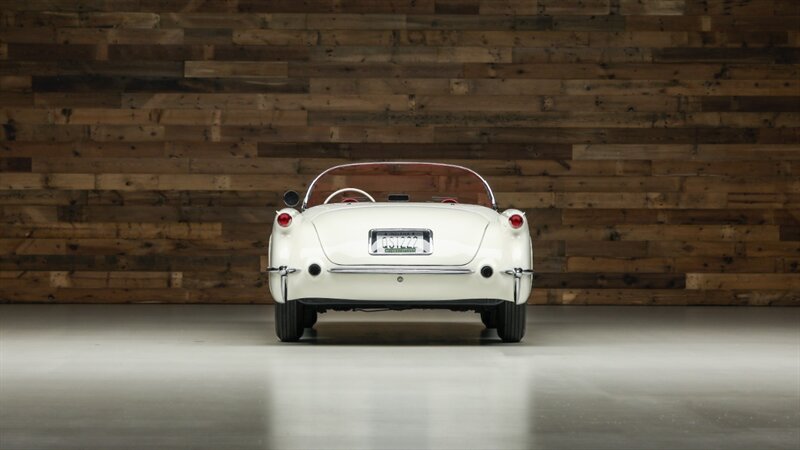
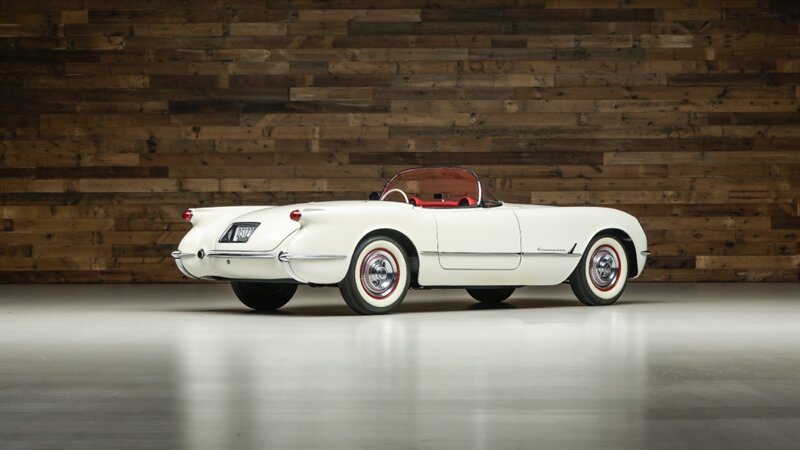
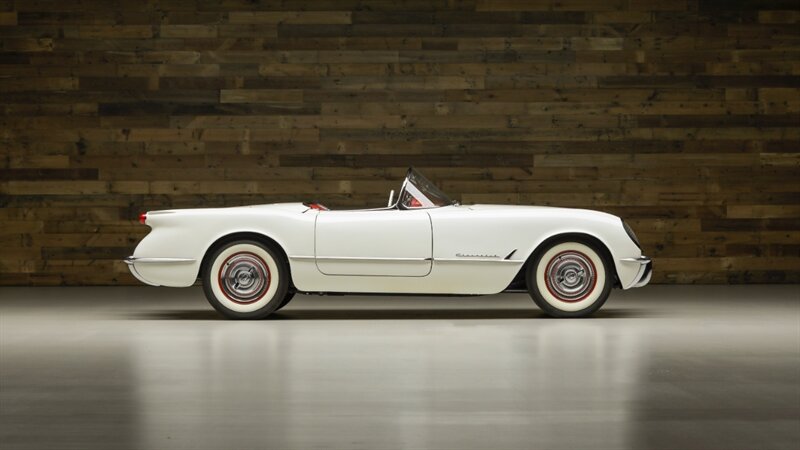
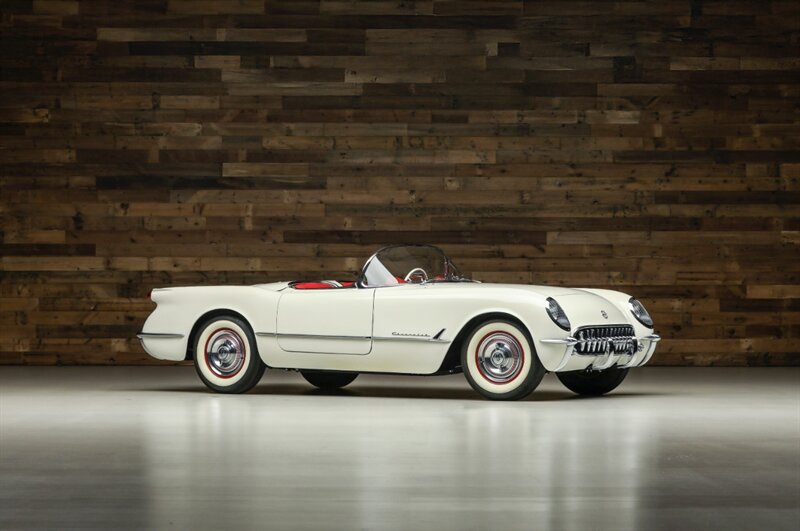
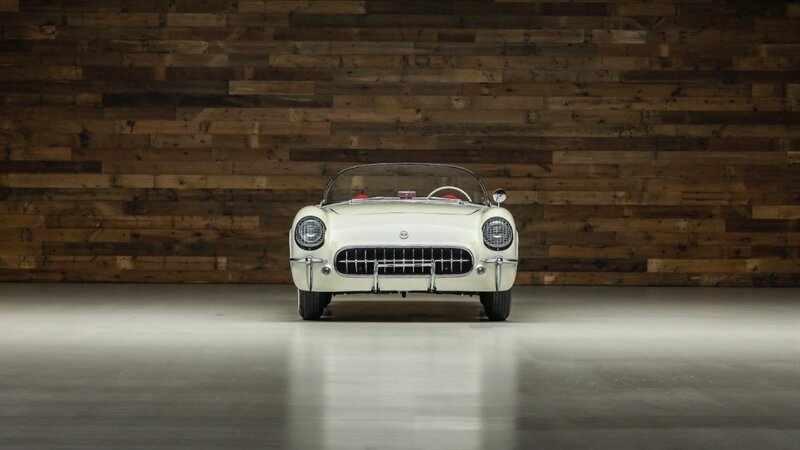
1953 Chevrolet Corvette 2-Door Roadster
Exterior Color:
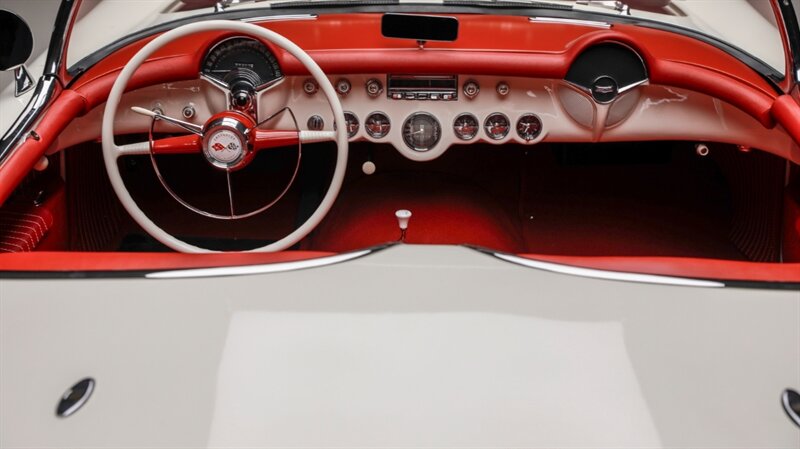
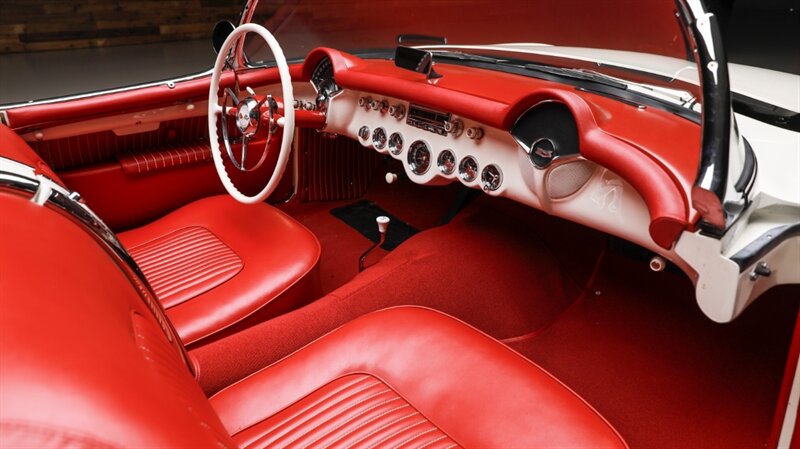
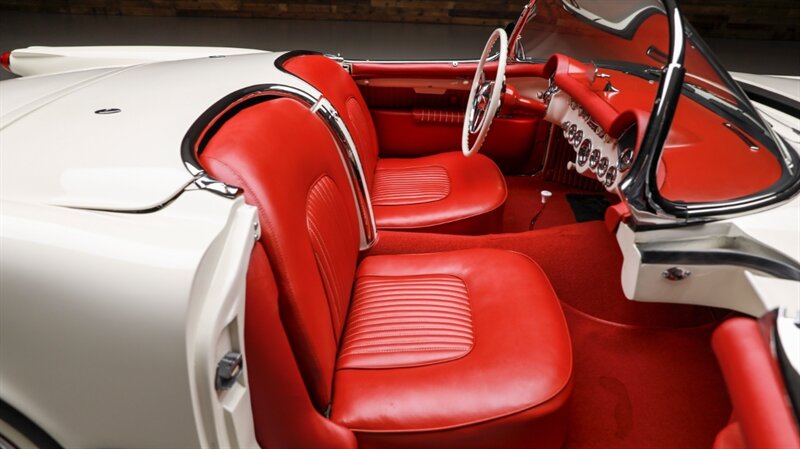
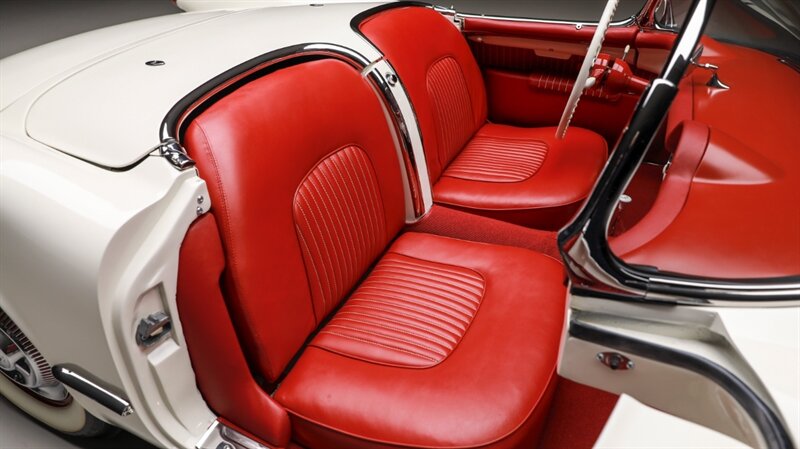
White
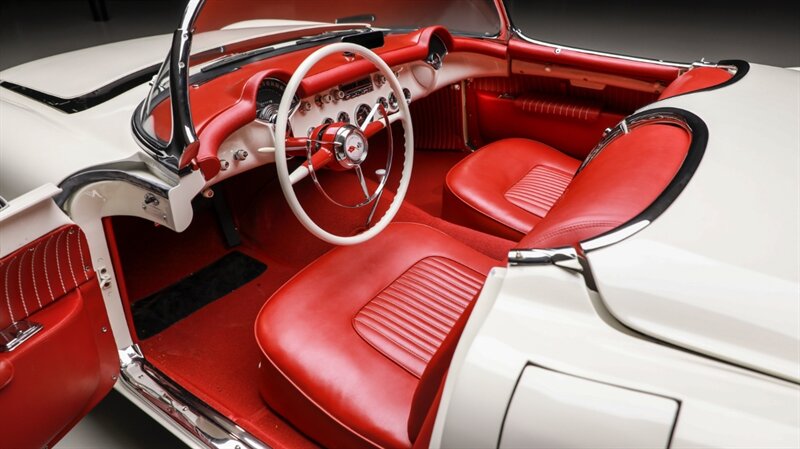
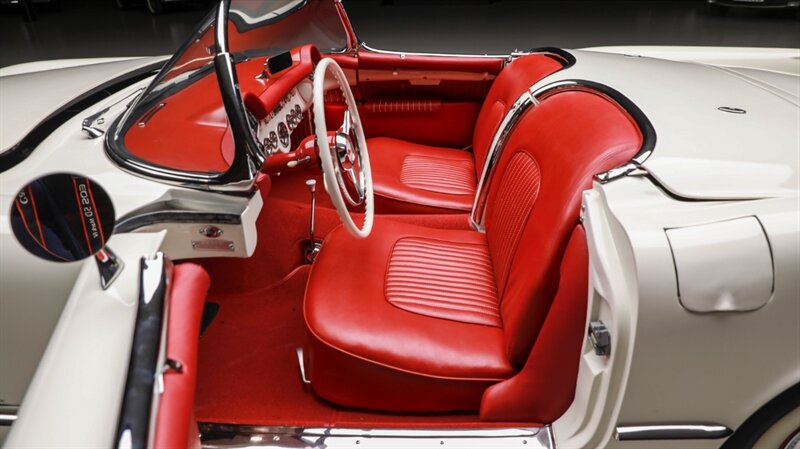
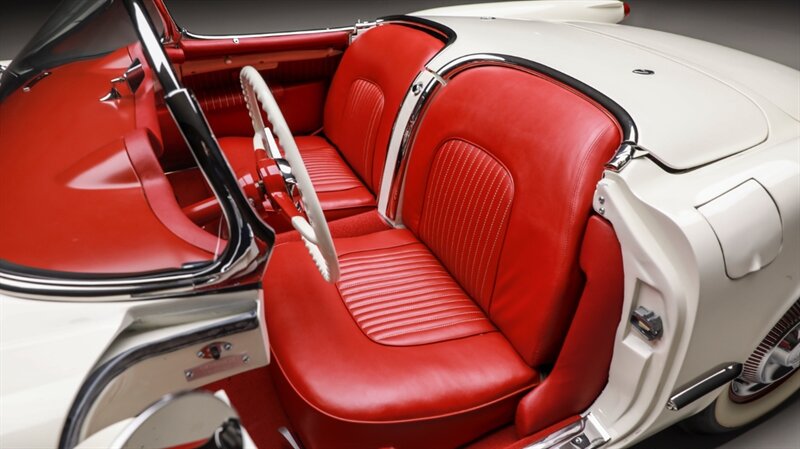
Interior Color:
Red
Stock Number:
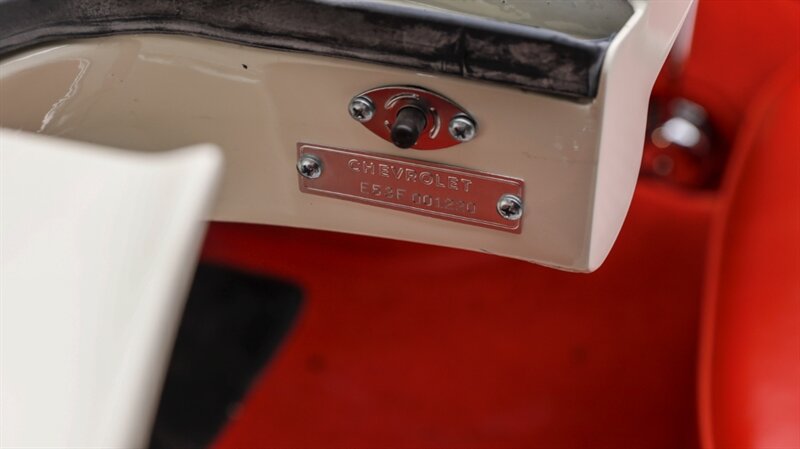
E53F001220
Mileage:
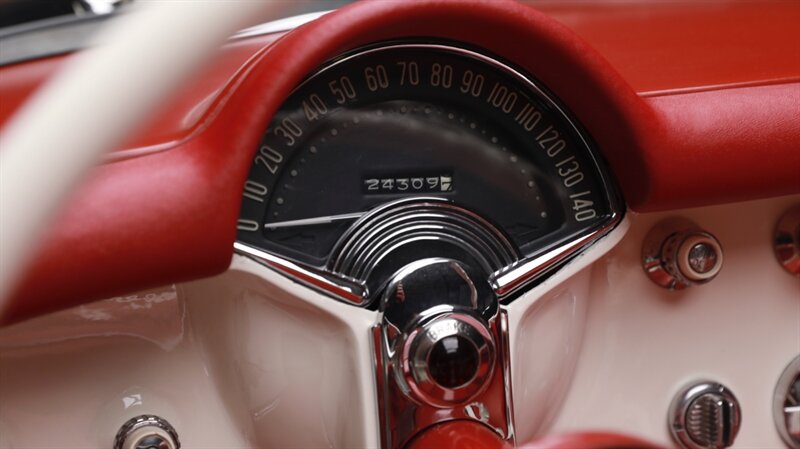
24,309
Engine:
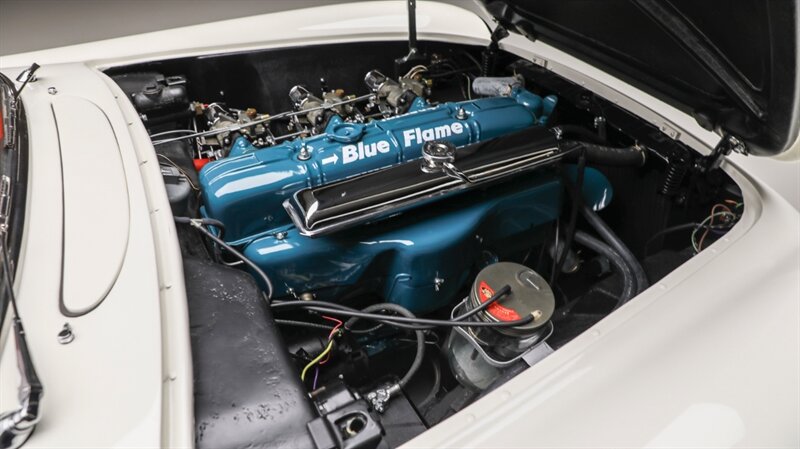
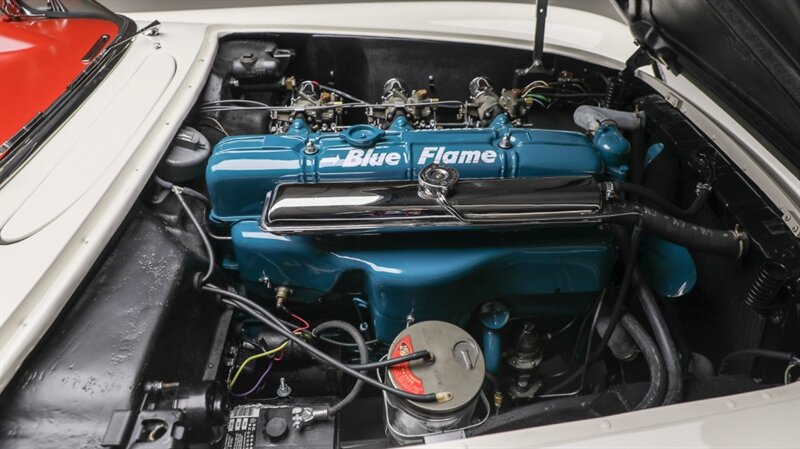
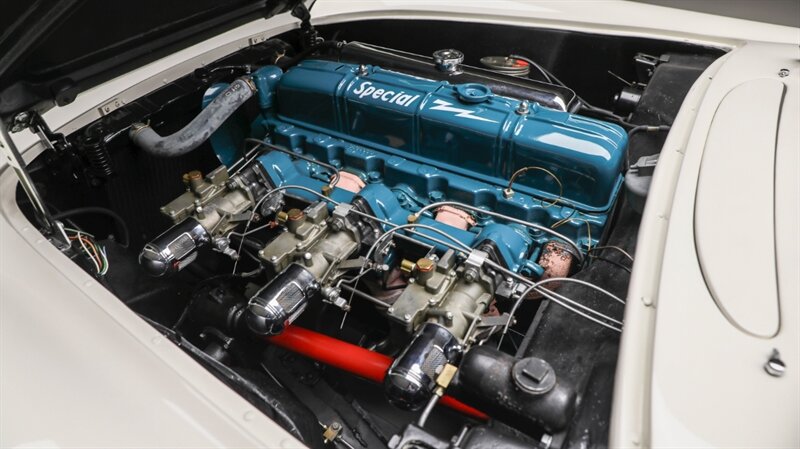
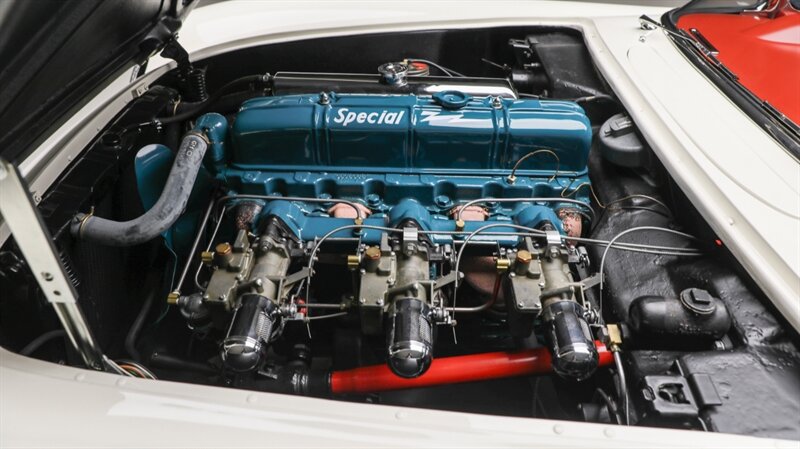
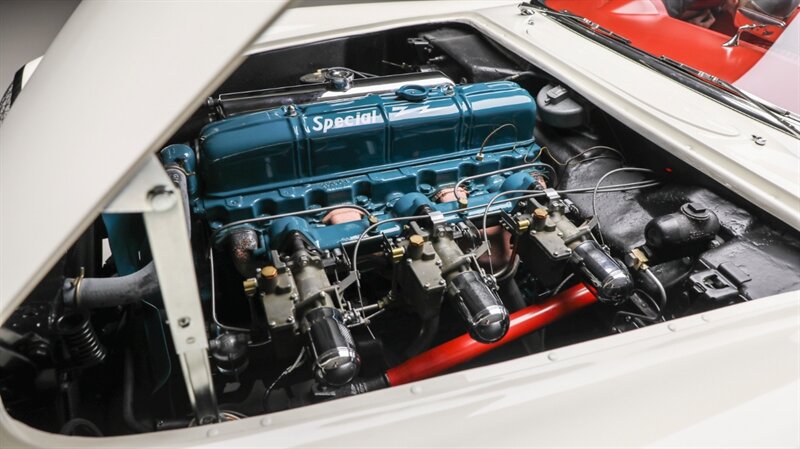
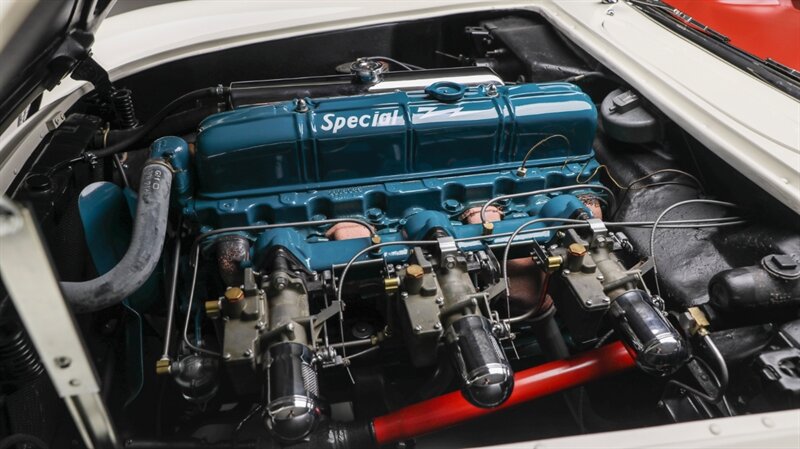
235-cubic-inch Blue Flame six-cylinder engine
Fuel:
Gasoline
Transmission:
Automatic
Title:
Clear
VIN:
E53F001220
Internet Price:
$349,900
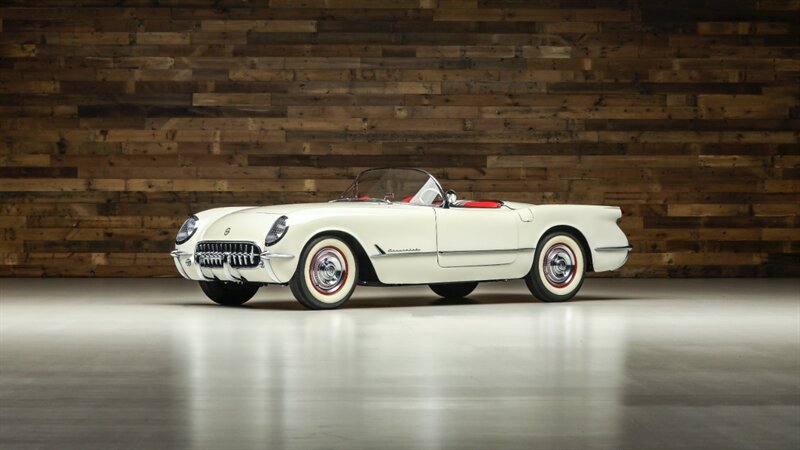
Vehicle Description
- Professionally restored by marque specialist Brett Henderson to NCRS and Bloomington Gold standards
- The 220th of only 300 Corvettes produced for the inaugural 1953 model year
- Equipped with its original Blue Flame six-cylinder engine
- Accompanied by side curtains
- Historic first-year example of “America’s Sports Car”
- An essential component of any serious sports car collection
From the start, Chevrolet’s Corvette was unique in its concept, design, and execution. Conceived by legendary GM Design Chief, Harley Earl, as an American alternative to the hordes of nimble and stylish foreign sports cars arriving in post-war America, the new GM design combined striking aircraft-inspired design elements and existing passenger car mechanical components. Clothed in long, low, and sleek bodywork rendered in hand-laid fiberglass, the new show car was known internally as “Project Opel” and designated EX-122 as it quickly took shape.
Eventually named ‘Corvette’ in honor of the small and fast naval vessels of wartime fame, the new Chevrolet sports car remains significant as one of very few designs of the fertile GM Motorama era to progress to series production with its show-car styling cues virtually unchanged along the way. Representing a major leap of faith on the part of top GM brass, including GM Engineering Chief Ed Cole and company president Harlow Curtice, the Corvette was the product of a then-massive $1.5 million investment in the project by the time it was readied for its highly anticipated public introduction.
Dubbed the Corvette “Dream Car,” it debuted at the January 1953 GM Motorama show held at the glamorous Waldorf Astoria Hotel in New York City and its impact there was truly astonishing. By the end of that first weekend in New York, over 300,000 people had seen the car and some $800,000 worth of GM products were sold at the show. In fact, by the time the Motorama’s cross-country tour ended, over four million people reportedly saw the Corvette. Incredibly, production commenced in Flint, Michigan, just five months after its New York debut. All production cars were finished in Polo White paint with rich Sportsman Red interiors.
Mechanicals were based upon Chevrolet’s existing production car components, including the Powerglide automatic transmission and 235-cubic-inch inline six-cylinder engine, which was hopped up with triple carburetors, a compression boost, and a hotter camshaft. An eventual switch to steel bodywork was planned, but intense public interest in the show car’s unique fiberglass body encouraged GM to continue with the revolutionary new material. Even the Corvette’s low-volume assembly process broke from tradition with small groups of technicians. Early Corvettes, numbering some 150, were marketed to the top celebrities via GM’s VIP program, ensuring enviable product placement. However, production problems, marketing gaffes, questionable pricing, and sluggish sales nearly caused the Corvette’s early demise. However, to be fair, a low-volume specialty car such as the Corvette was a radical departure for any manufacturer, with its body – comprising some 46 fiberglass parts – imposing a particularly steep learning curve. Thankfully, GM and Chevrolet management displayed considerable fortitude and quickly, the Corvette matured into “America’s Sports Car.”
This wonderful first-year example is the 220th of the 300 Corvettes produced for 1953 and it stands as one of as few as an estimated 225 survivors remaining in existence today. Before being acquired by the current owner, this Roadster resided with a well-known enthusiast who had owned over 30 1953 Corvettes. Under his ownership, this example benefited from a complete body-off-the-restoration performed by 1953 Corvette restoration expert Brett Henderson of Pendleton, Indiana’s Blue Flame Restoration.
Additional Photos
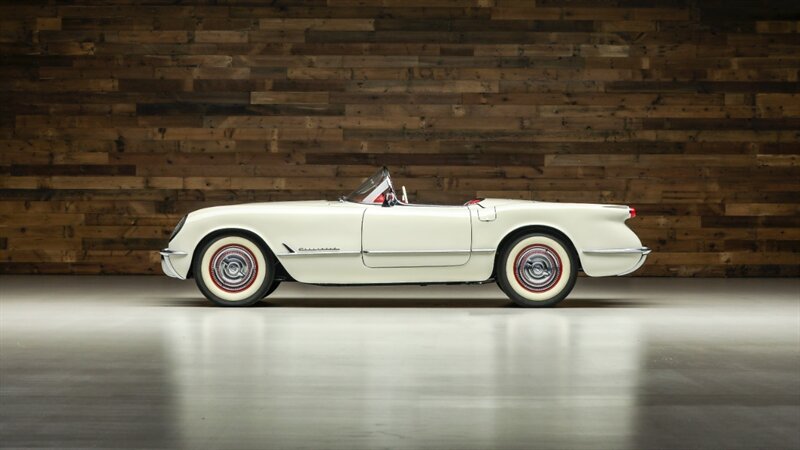
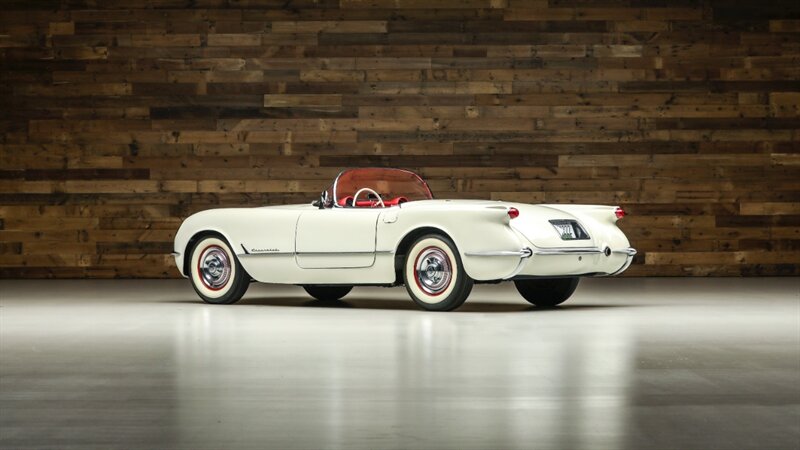
click on a thumbnail to view full-size photos
Contact Information
Vehicle Features & Options
Vehicle Condition & History
Order CARFAX Report
Find out the history
of this vehicle instantly.
Get a CARFAX Report!
![]()
of this vehicle instantly.
Get a CARFAX Report!
Protect yourself from:
» Major Accidents
» Lemon History
» Odometer Problems
» Major Accidents
» Lemon History
» Odometer Problems
Get a Free
CARFAX Record Check
Shipping Information

We recommend ShipMyVehicle.com for vehicle shipping.
Dealership Information
Contact Us
Name:
Main Phone:
Alt. Phone:
Email:
Business Hours
| Mon: | |
|---|---|
| Tue: | |
| Wed: | |
| Thu: | |
| Fri: | |
| Sat: | |
| Sun: |
Location
Auburn, IN 46706